Lived, not just learned.
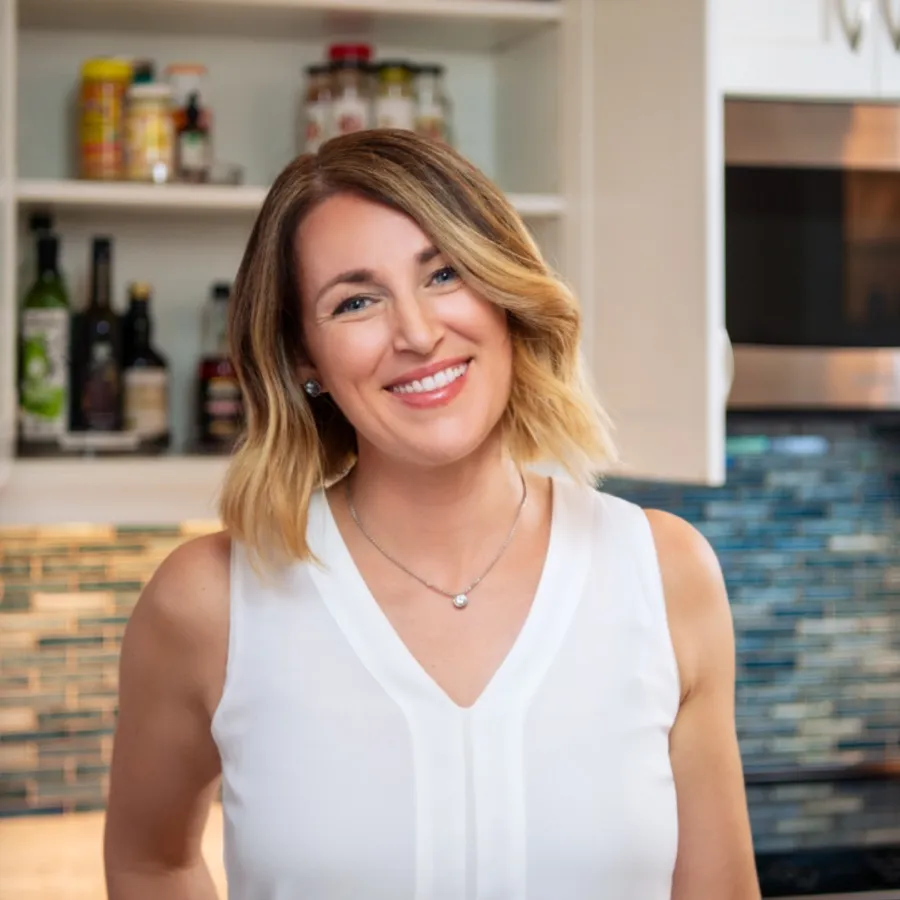
I’m Kim Reynolds, the founder of Simply Spacial. I’ve spent 15 years organizing more than 500 homes, and I developed the Simply Spacial Method™ along the way.
I’m neurodivergent. I also live with mental health challenges. I don’t study minds like yours from the outside. I have one.
The house I always wanted
For a long time, home didn’t feel like a safe place to me. When the place that’s supposed to support you doesn’t, you learn early that a space can either steady you or come apart underneath you.
That’s where all of this started. Not with organizing. With wanting a place that finally felt like mine.
I have autism. My mind needs everything to have a place, or I get stressed looking for things. So I’ve built systems my whole life. They were never a nice-to-have. They’re how I manage the overwhelm.
Different diagnoses, one pattern
I also live with bipolar, OCD, PTSD, and social anxiety. For years I thought of them as separate things to manage. Then I saw what they have in common: each one gets between a person and their space.
- Bipolar
The energy that keeps a home running doesn’t hold steady. What you build in one season, you can’t always keep up in the next.
- PTSD
An ordinary task can pull you somewhere else entirely. I’m not going to tell you an organized space fixes that. What a home that supports you can do is stop adding to the pile.
- OCD
It has to be perfect, or it isn’t worth starting. What’s helped me isn’t getting it perfect. It’s letting the system be good enough to live in.
Every one of them needs the same thing first: awareness. You have to see what your mind is doing before you can build anything that works with it instead of against it.
My house was fully organized, and it still wasn’t enough.
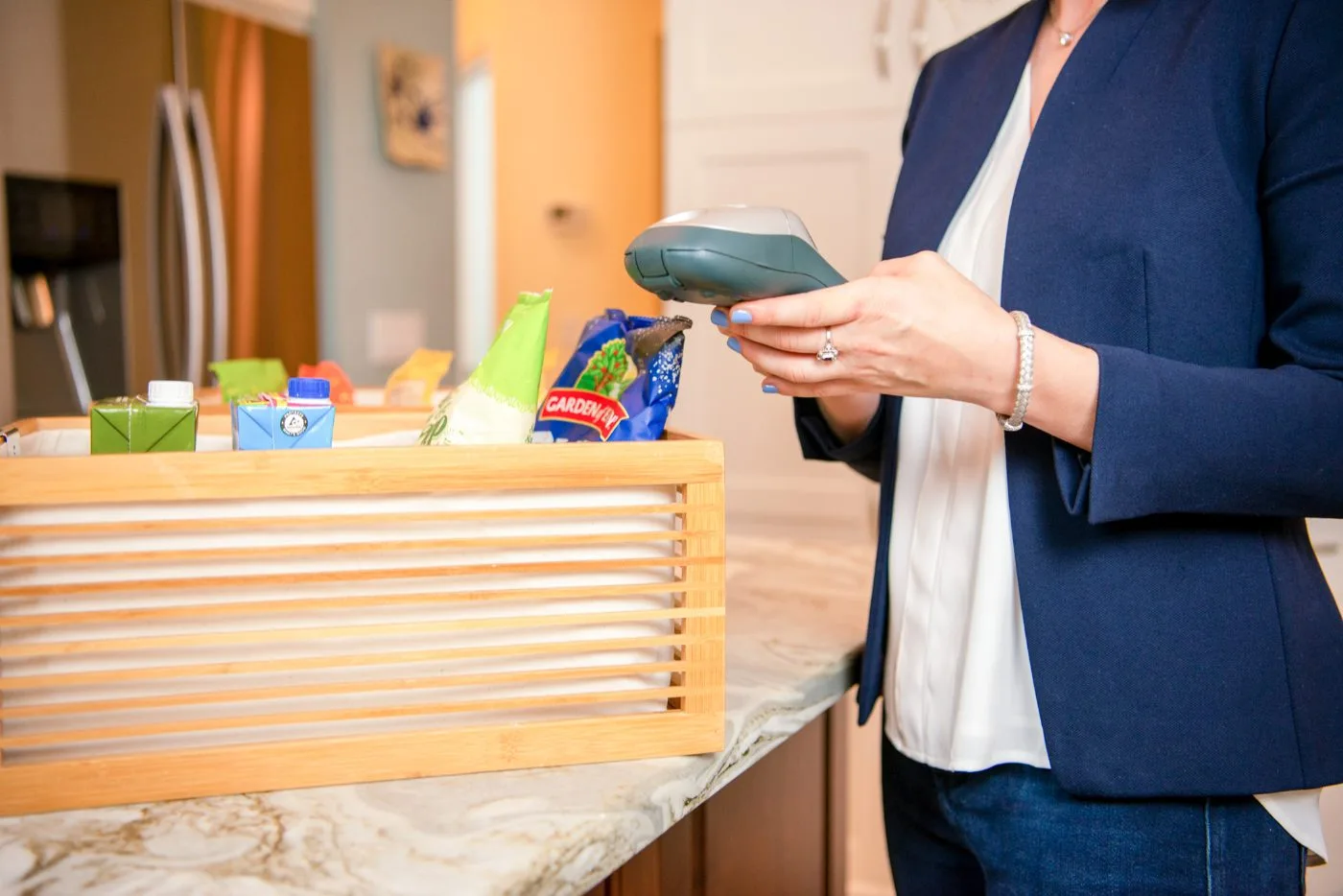
Organizing is how I cope. If my keys don’t have one home, they’re gone, and hunting for them can tip an hour or a few hours. In the past, it tipped whole days. Being organized isn’t the absence of my struggle. It’s my answer to it.
But there was a time my house was fully organized and I still wasn’t caring for my body. I was working too hard, not drinking enough water, and not taking time off.
“An organized house was only one-third of what I needed, and I want neurodivergent people and those who struggle with mental health to have the whole thing: a home they can rest in, recover in, and thrive in.”
Why I built Simply Spacial
I founded Simply Spacial because neurodivergent people and those who struggle with mental health were falling through the cracks. Standard systems weren’t built for our minds, and no one was fixing that. So I teach three pillars together:
Structure, for the space.
Every thing has a home, so nothing has to be hunted for.
Rhythm, for the days.
Routines that carry you through mornings, evenings, and low-energy days.
Sensory, for the mind and body.
Light, sound, textures, smell, and what you wear. Some people relax with less input. Others relax with more input they choose.
The systems run on logic, not willpower, because willpower is the first thing every one of these conditions takes from you.
Clarity is kindness. That’s the philosophy behind everything I make.
I’m glad you’re here. Welcome ♡
Send me the free neurodivergent email course →See Virtual Home Organizing →