 Free
one
The free 5-day email course
You were never missing willpower. You were missing the map. Five short emails show you where to start, from the couch, on your phone.
Simply Spacial is home organizing for neurodivergent people. Kim teaches you the why behind your space, your days, and your senses, so you can create a home and lifestyle that support you.
It’s for people living with mental health challenges, too. Maybe your home is organized one month and buried the next, because it swings with your energy and mood.
Want Kim with you? Book a live hour on video →

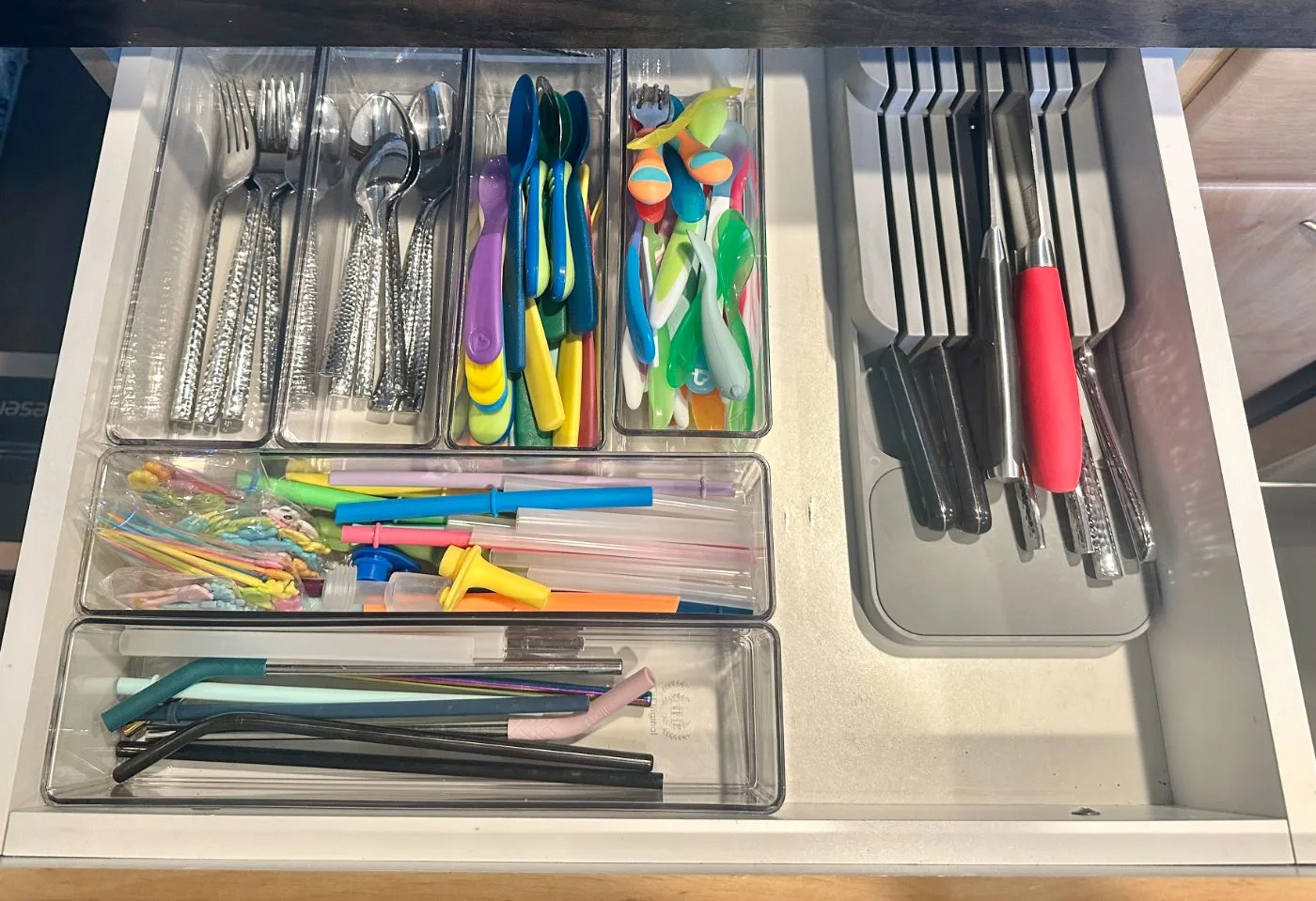
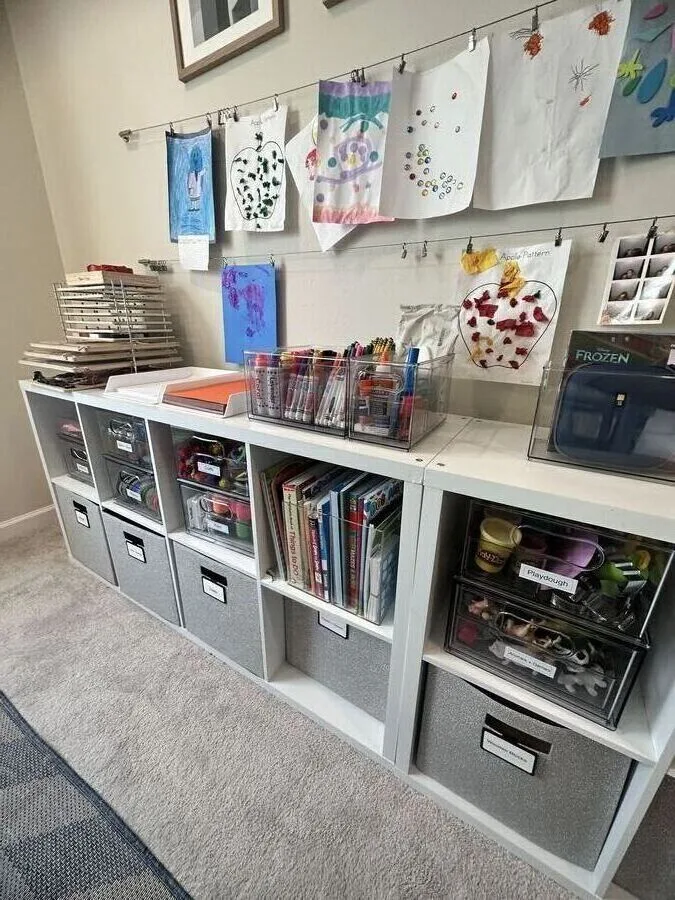
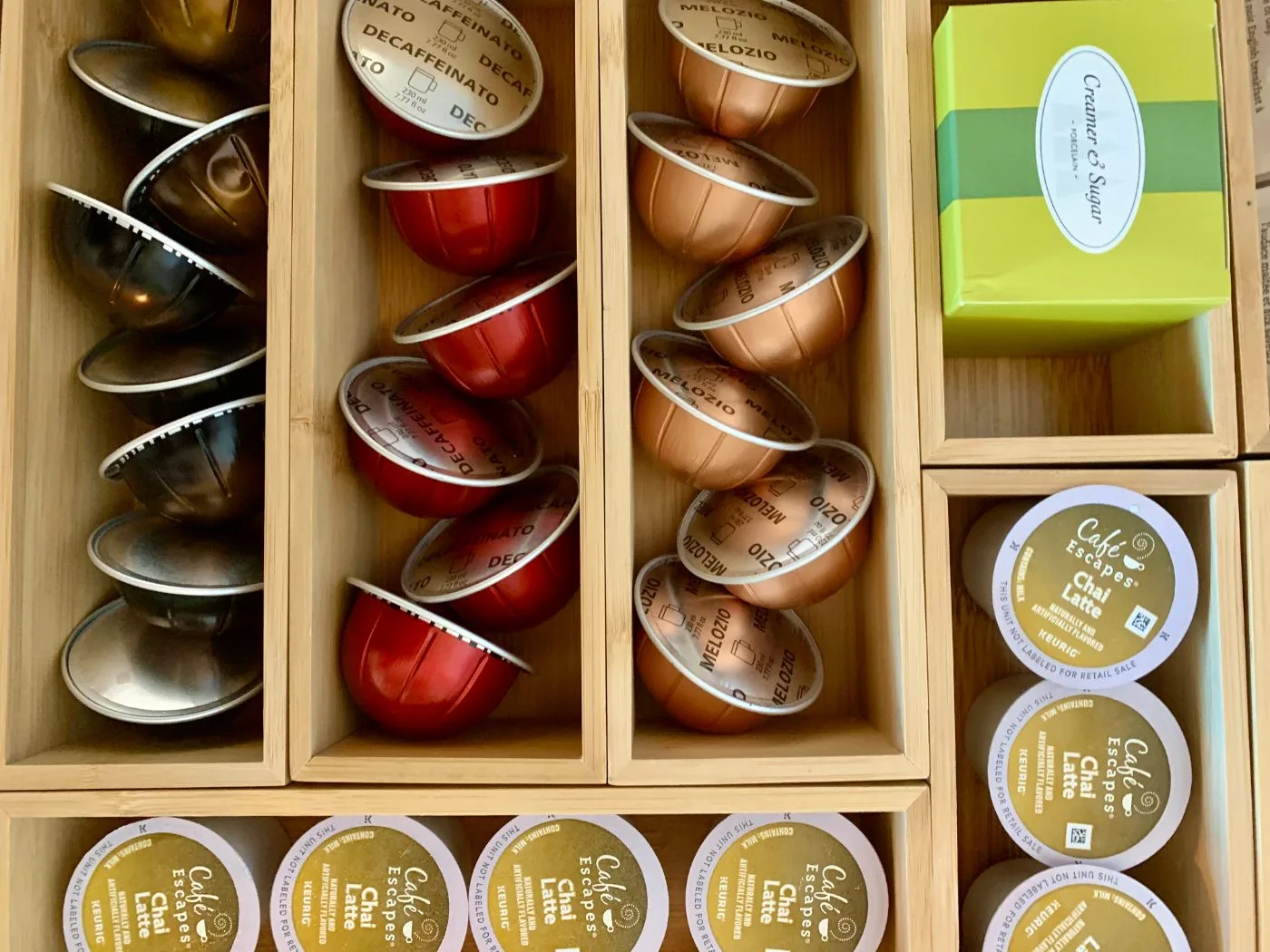
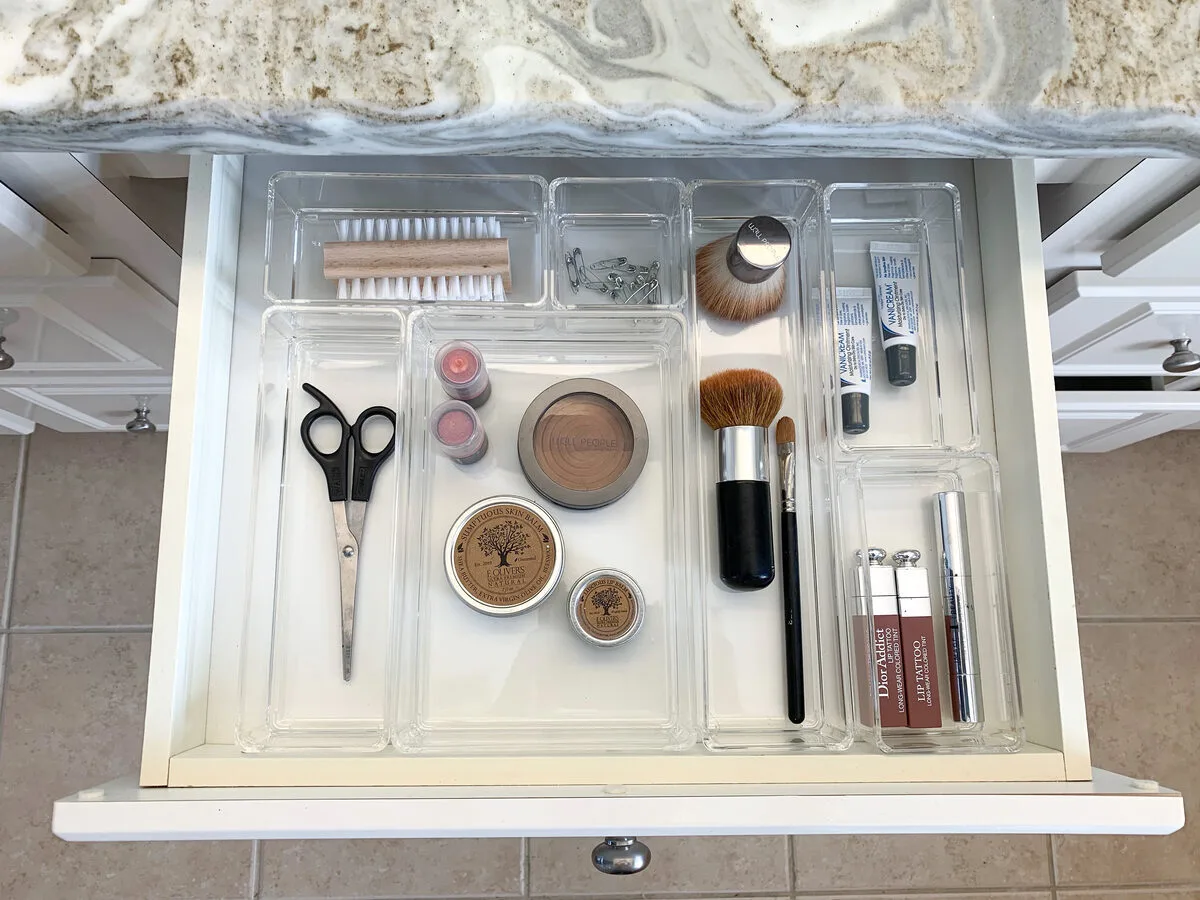
There’s no required first step. Pick the door that fits where you are today.
FreeYou were never missing willpower. You were missing the map. Five short emails show you where to start, from the couch, on your phone.
 Live on video
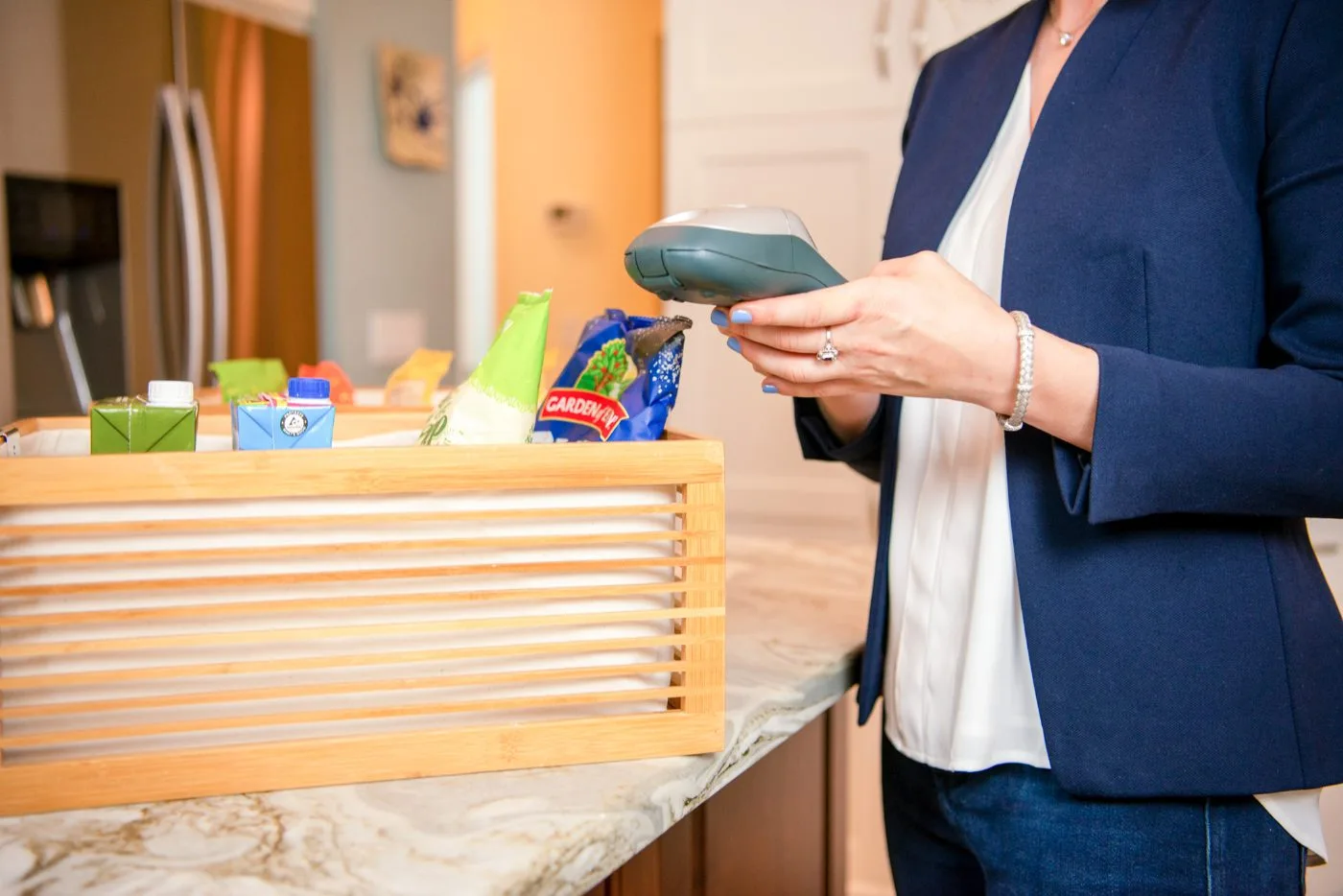
One live hour with Kim on video. Use it for whatever you need most:
Everyone starts with the $150 Jump-start hour. Nobody comes into your home.
 Coming soon
Guides you can work through on your own time, for structure, rhythm, and sensory. Made for low-energy days.
The first guide helps you create a home you can recover in during autistic burnout.
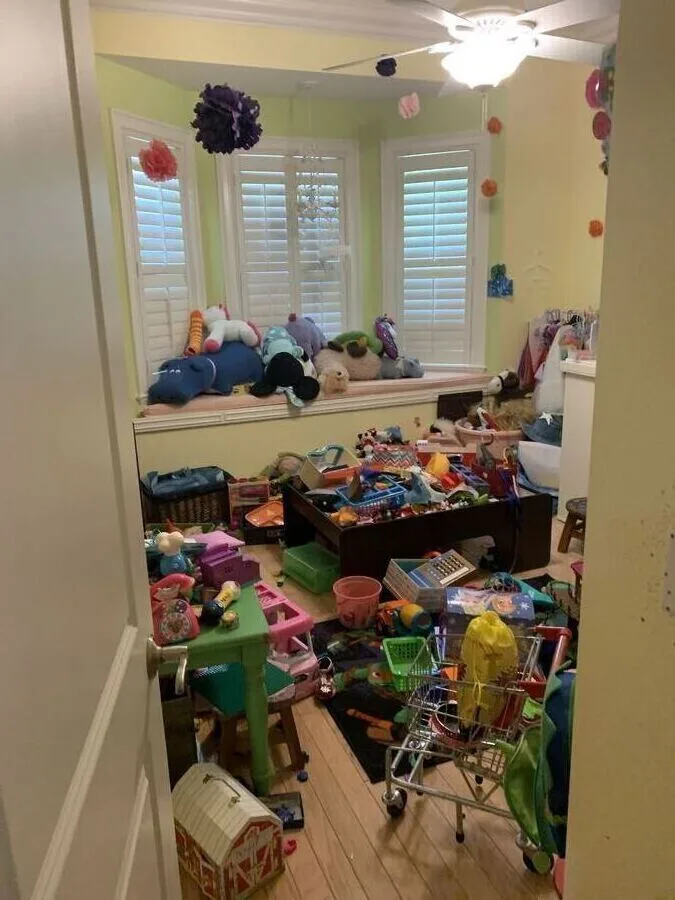
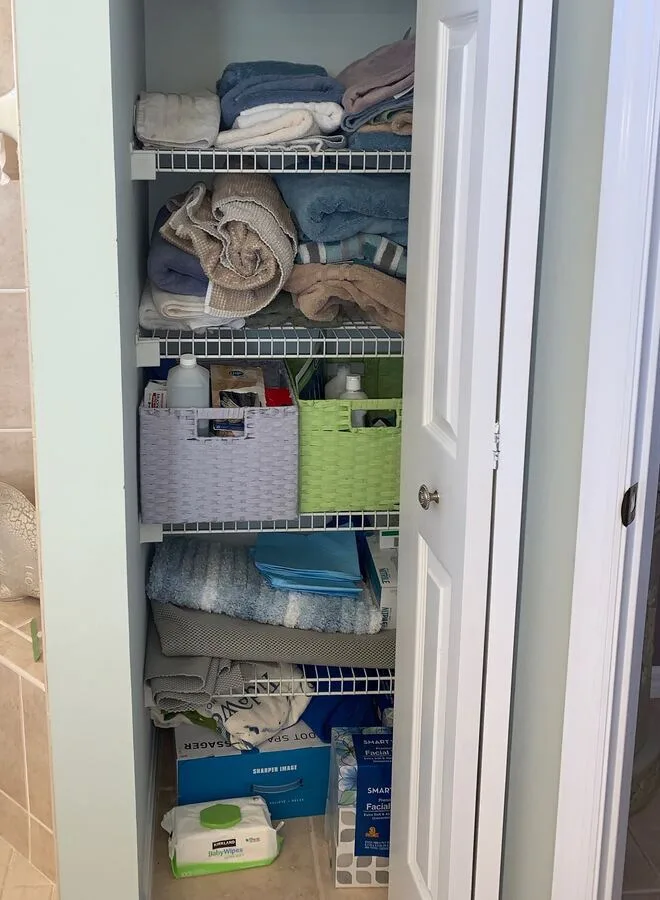
It’s physics. Things drift, piles grow, and systems built for neurotypical minds fall apart.
A disorganized home asks something of your nervous system every minute you’re in it. It loads your senses, pulls at your focus, and keeps your mind and body on alert.
Every pile is information, not a verdict. That’s where we start.
Bins hold your things. Structure, rhythm, and sensory hold your days.
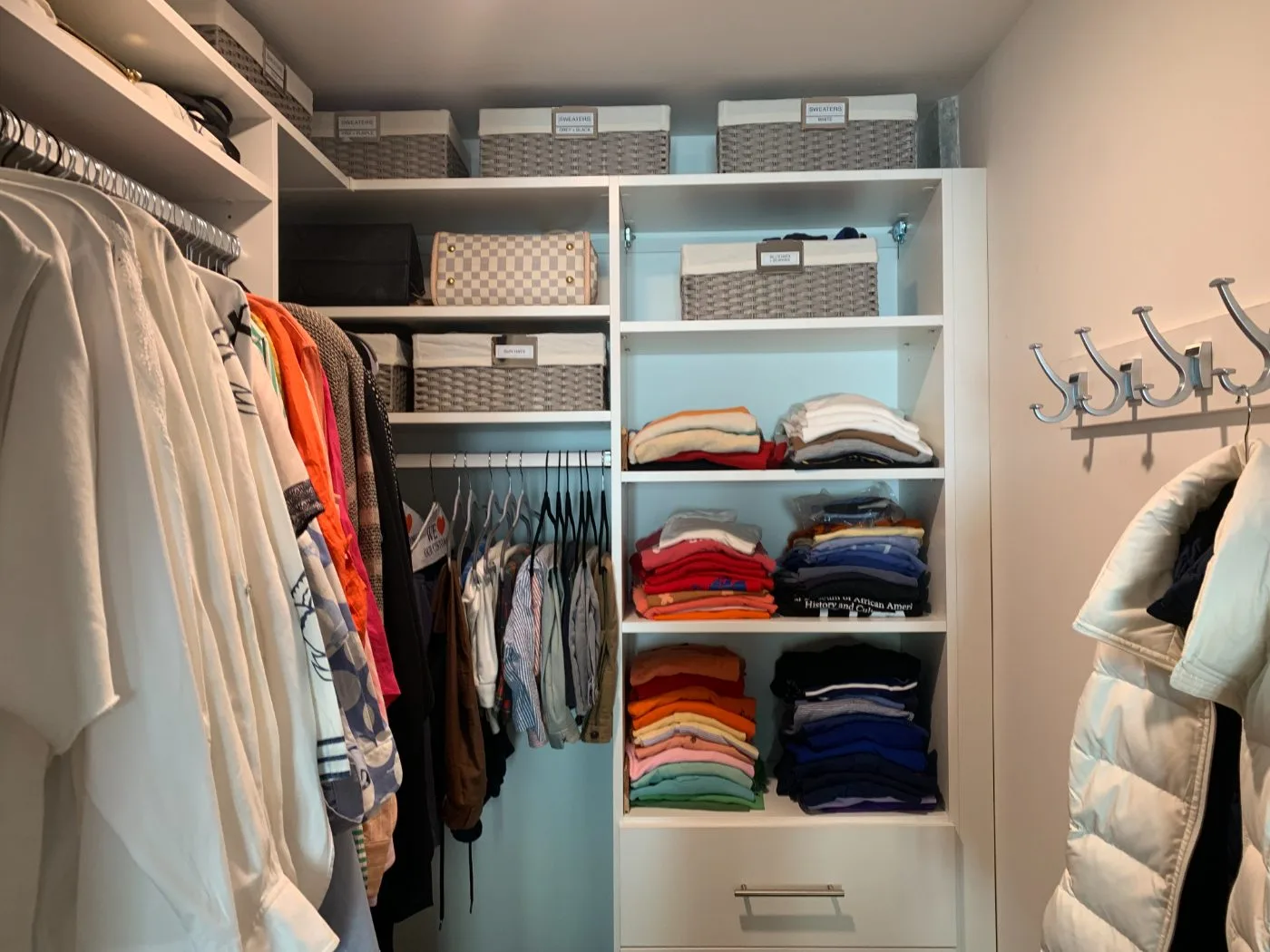
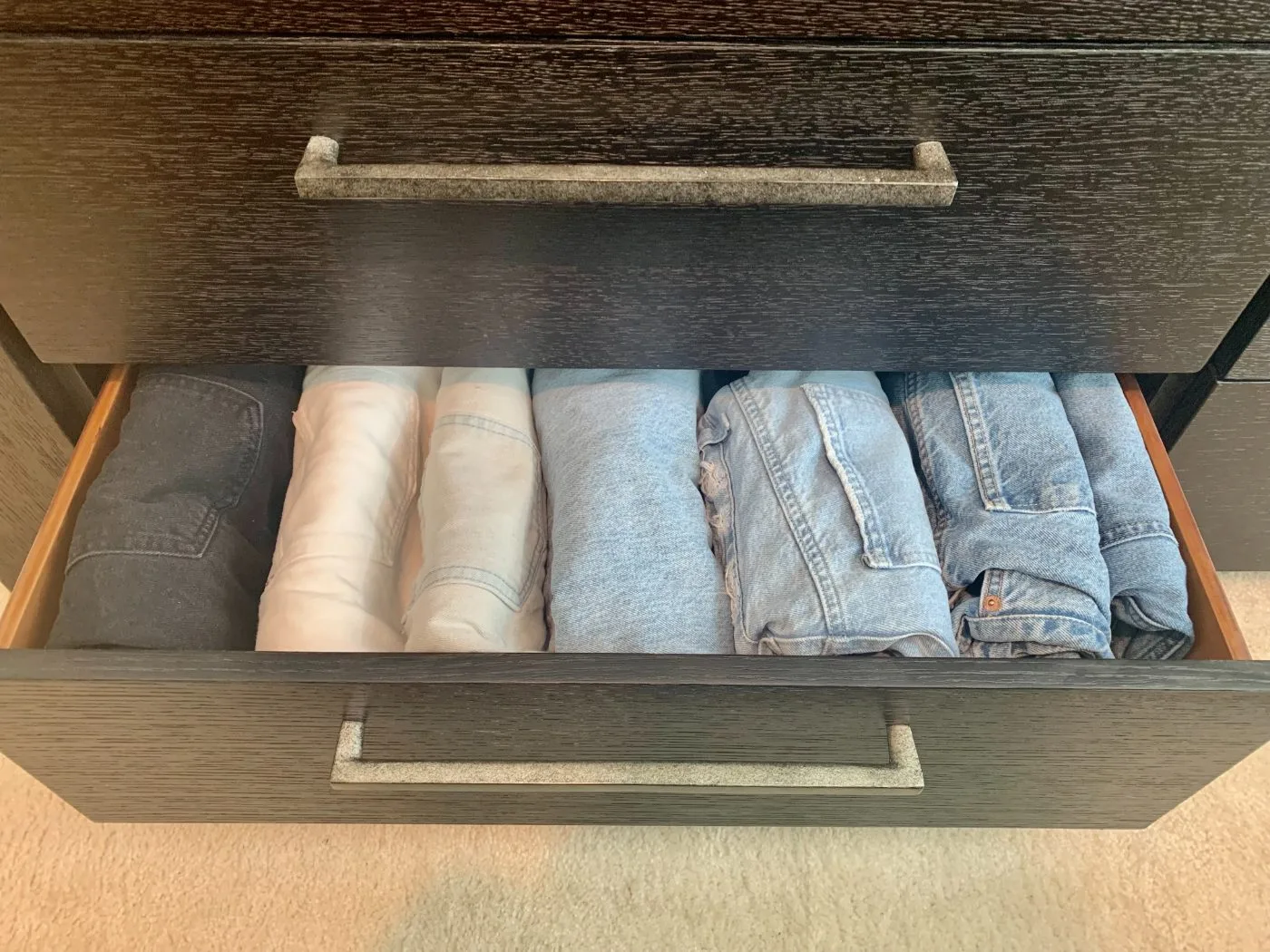
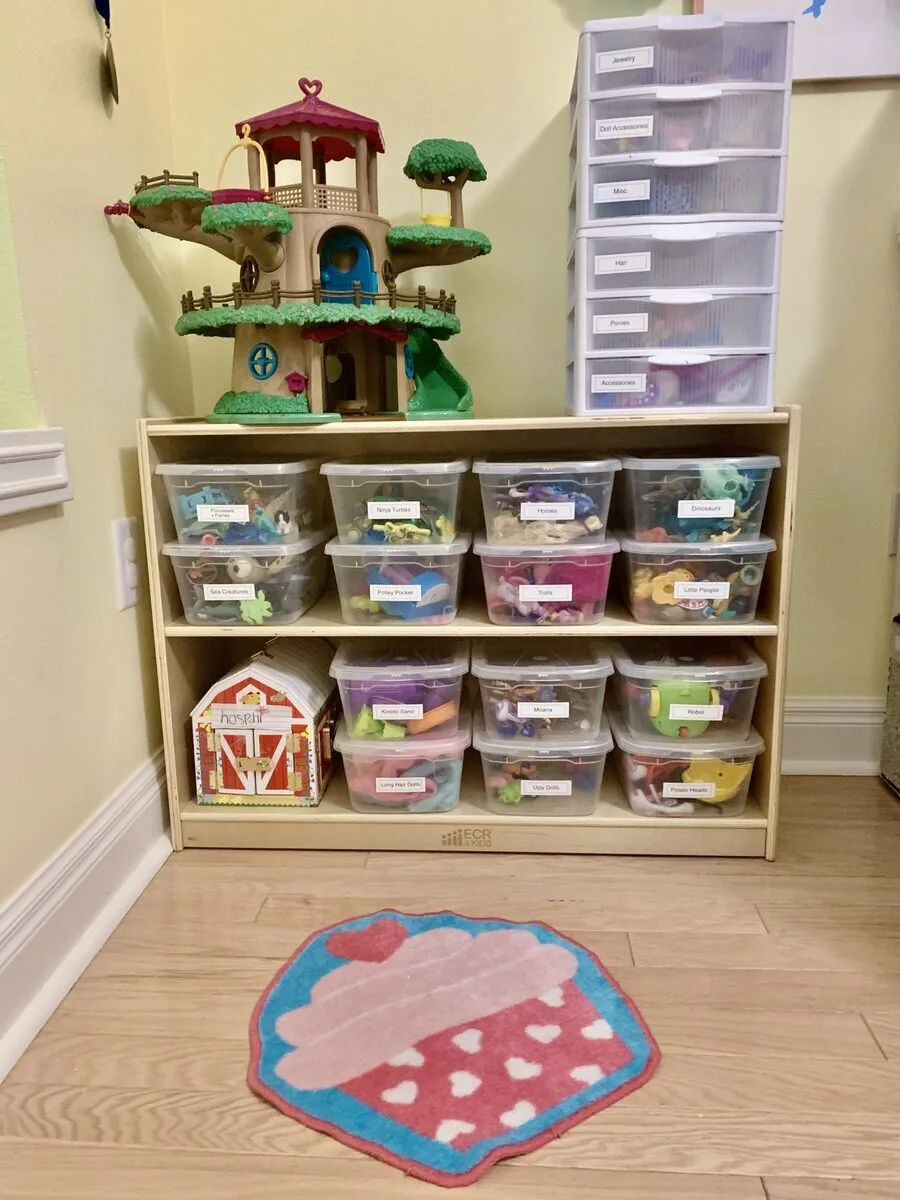
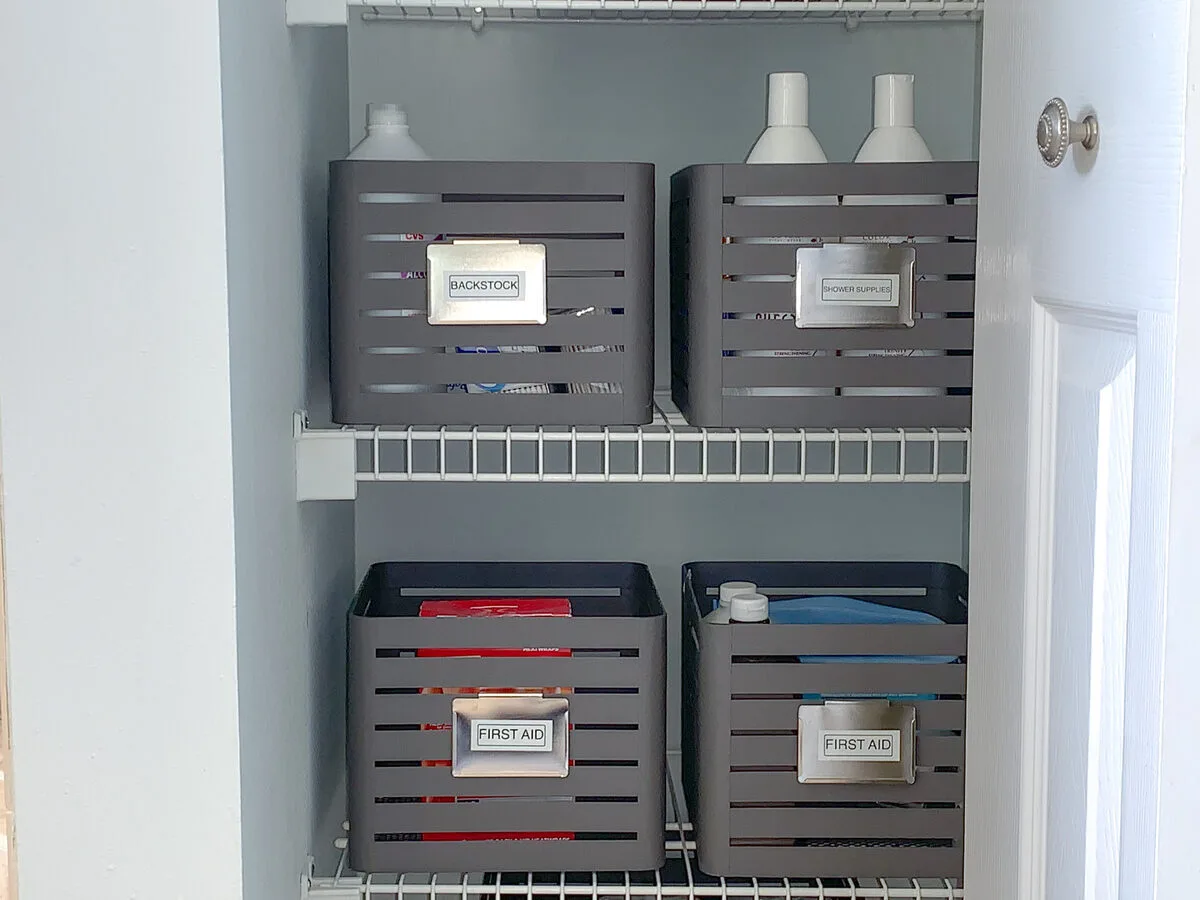
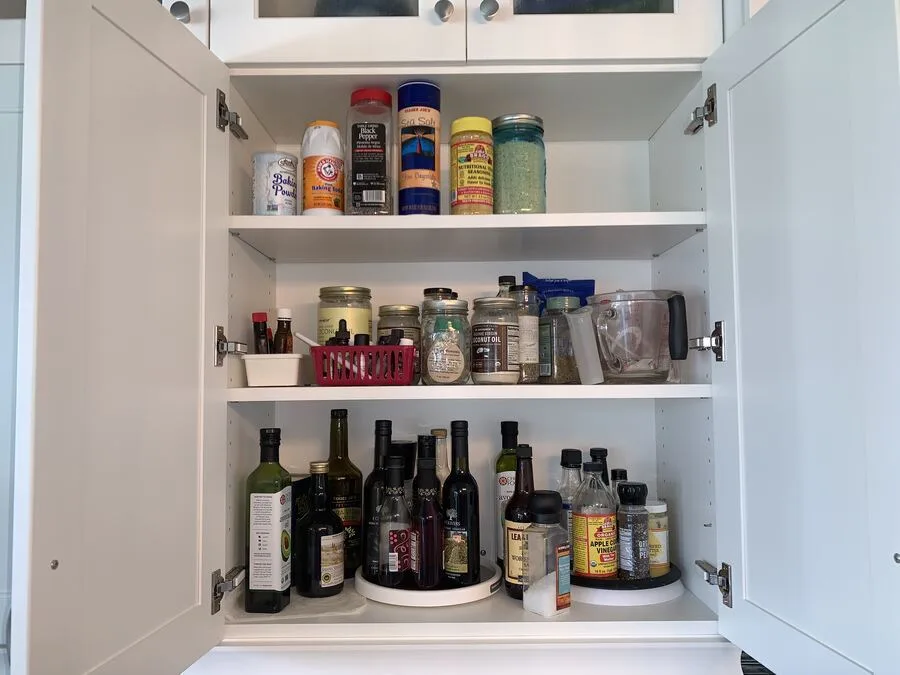
Every thing has a home. Things are sorted into groups and stored in the right places, so nothing has to be hunted for.
Routines that carry you through mornings, evenings, and low-energy days, with a flow you can predict.
How your space feels to your senses: light, sound, textures, smell. Some people relax with less input. Others relax with more input they choose.
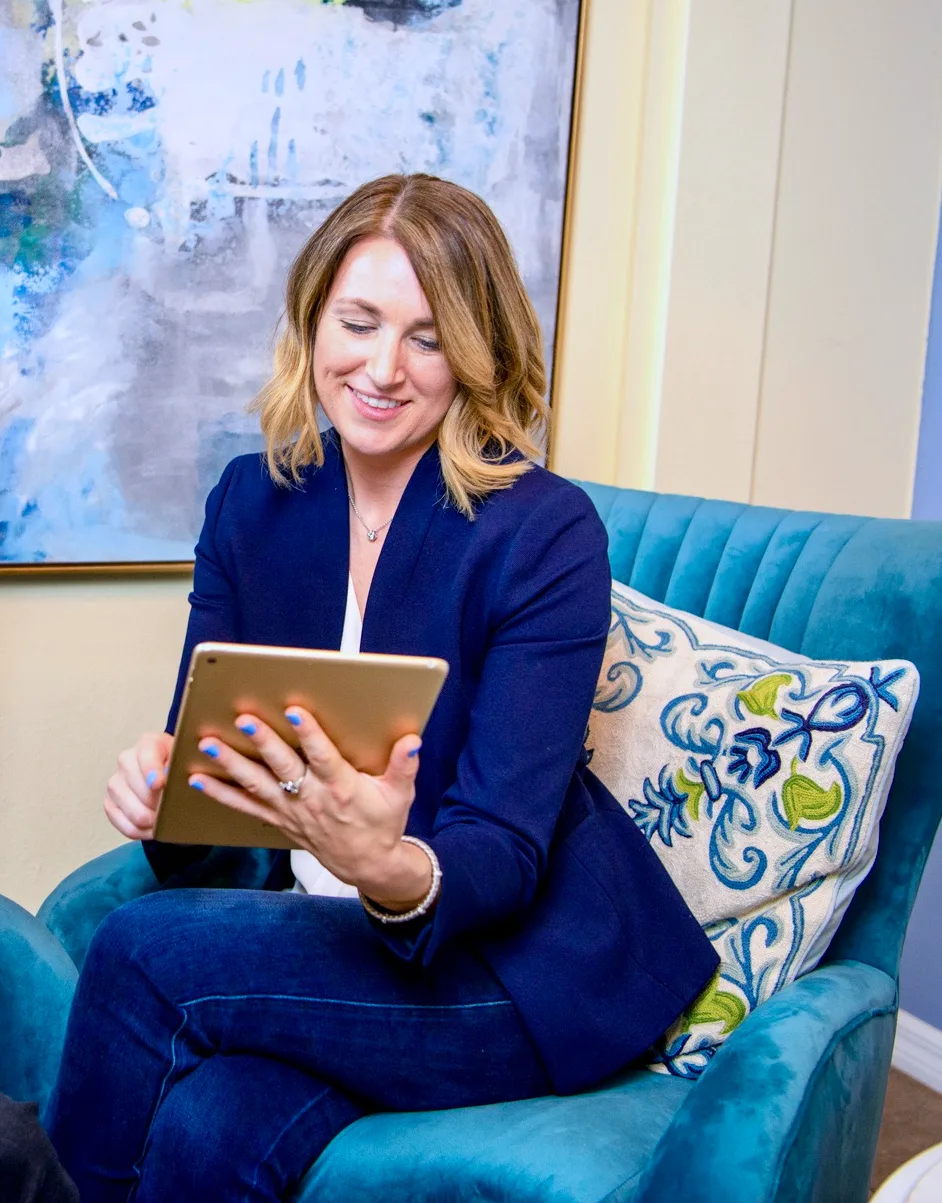
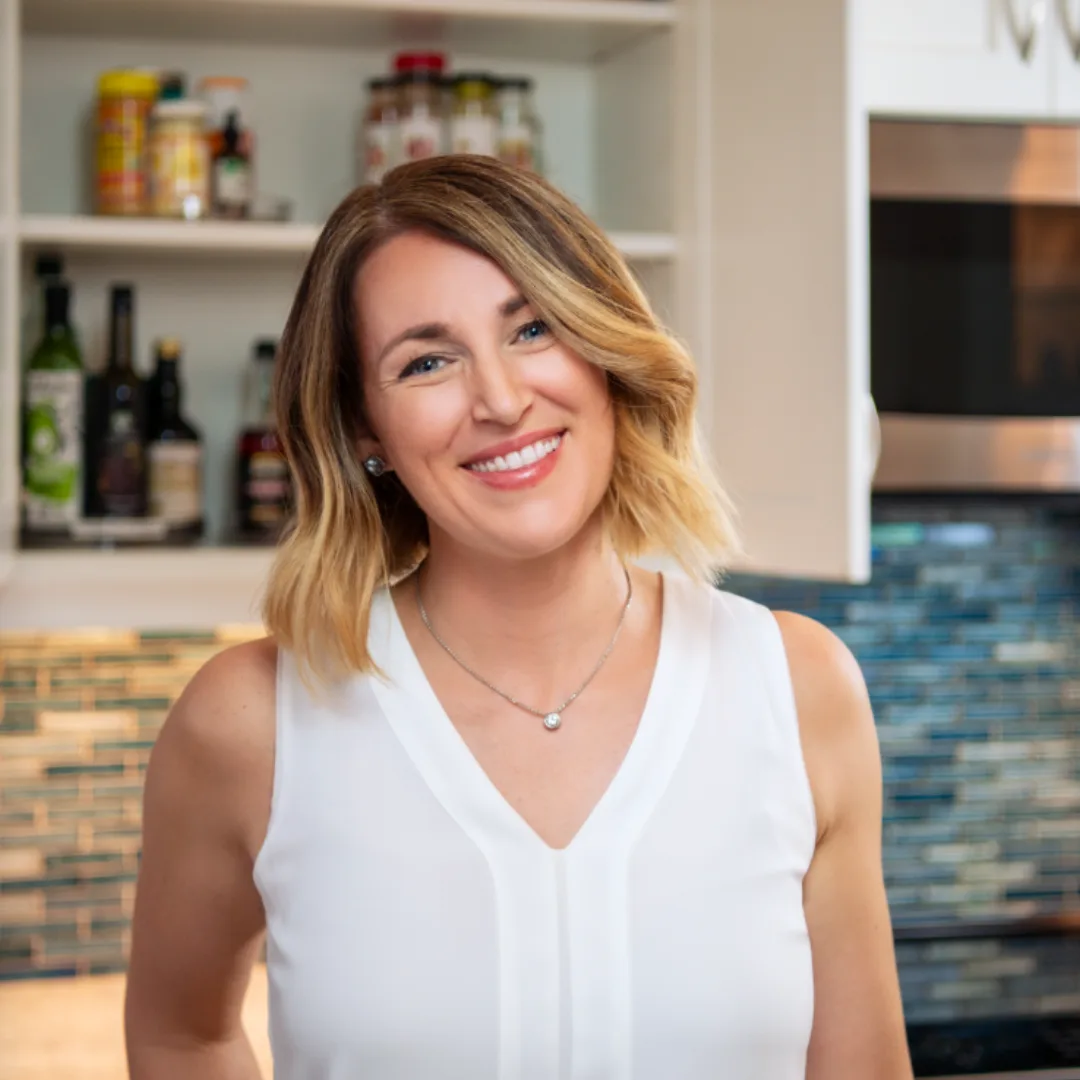
I’m neurodivergent. I also live with mental health challenges. I’ve spent 15 years organizing more than 500 homes, and I developed the Simply Spacial Method™ along the way.
Organizing is how I cope. It’s my answer to the struggle, not the absence of it. But for a long time, my house was fully organized and I still wasn’t caring for my body. I was working too hard, not drinking enough water, and not taking time off.
“An organized house was only one-third of what I needed, and I want neurodivergent people and those who struggle with mental health to have the whole thing: a home they can rest in, recover in, and thrive in.”
“Seven years later, I’m still using the systems and tools Kim helped me pick out.”
“Kim helped me understand how organization impacts daily life. Organization feels peaceful — the previous clutter felt like organized chaos. I choose peace.”
“With 4 small kids, our house was utter chaos. She came in and gave us an organization system that helps us function and is easy to maintain.”
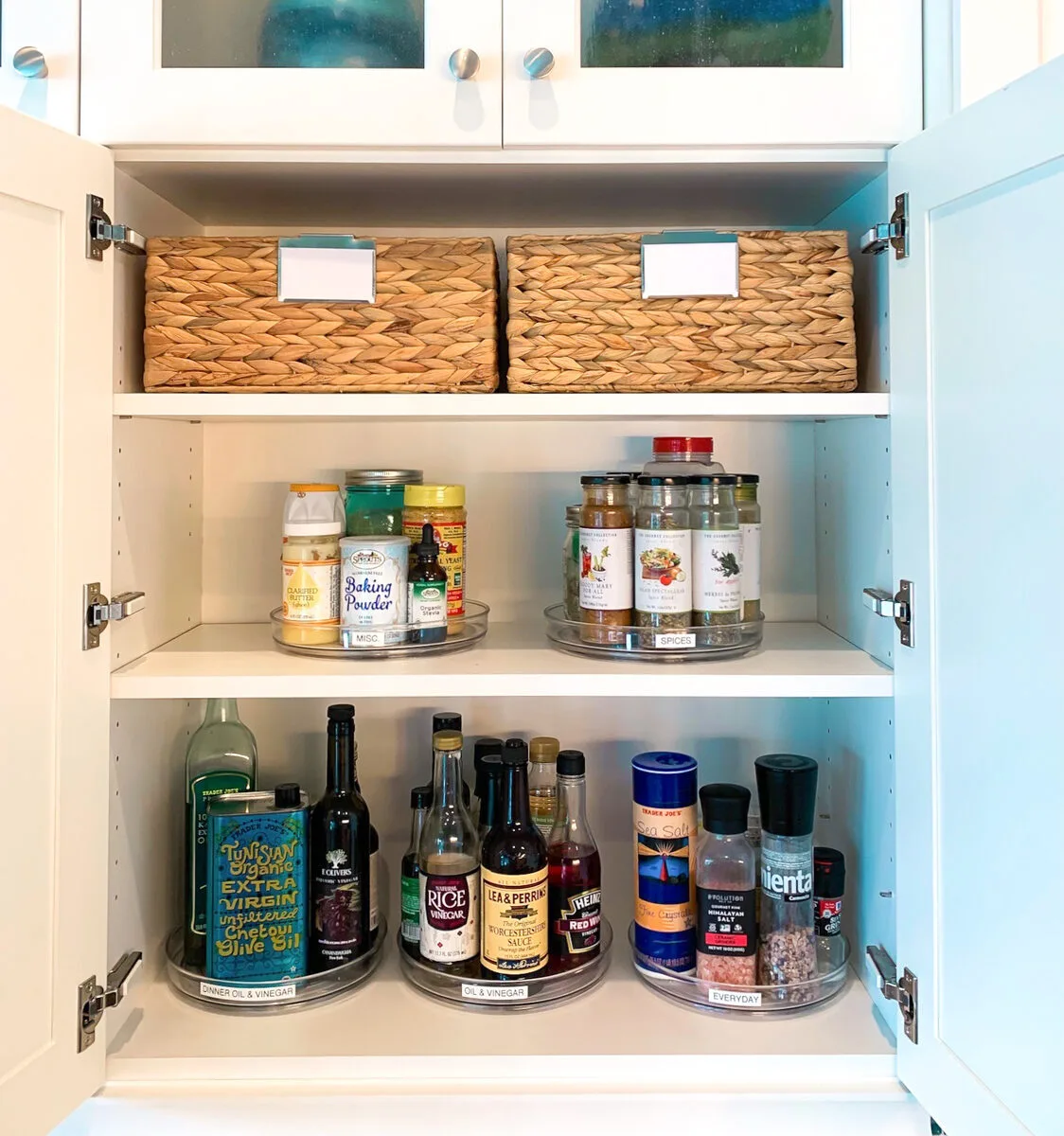
Nothing to buy or sort. Five short emails, and your map begins, from the couch, on your phone.
Free. Unsubscribe anytime.
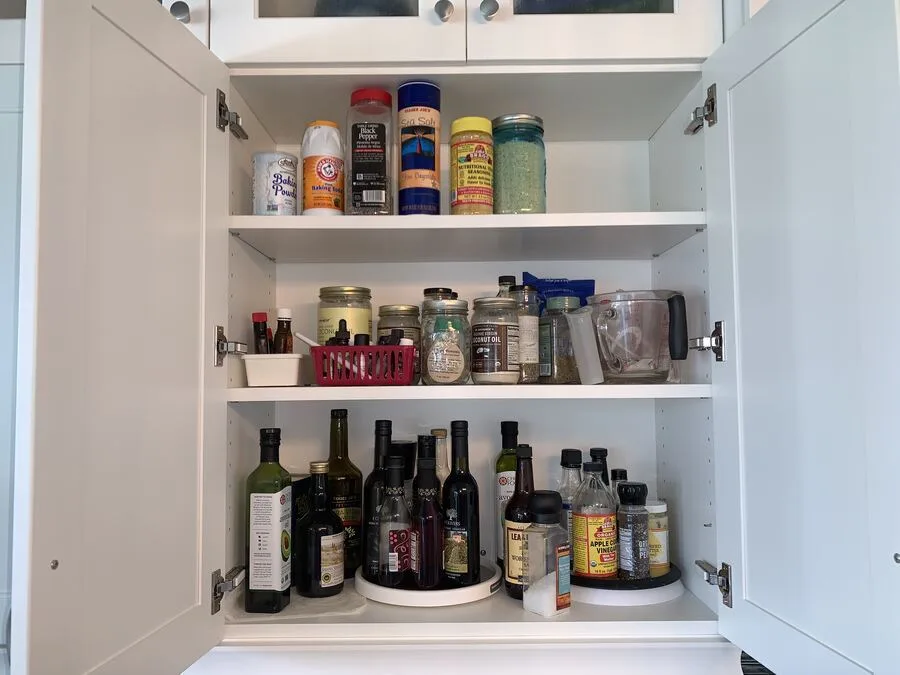 Structure
What a recurring pile can tell us about our space, our energy, and the support we need.
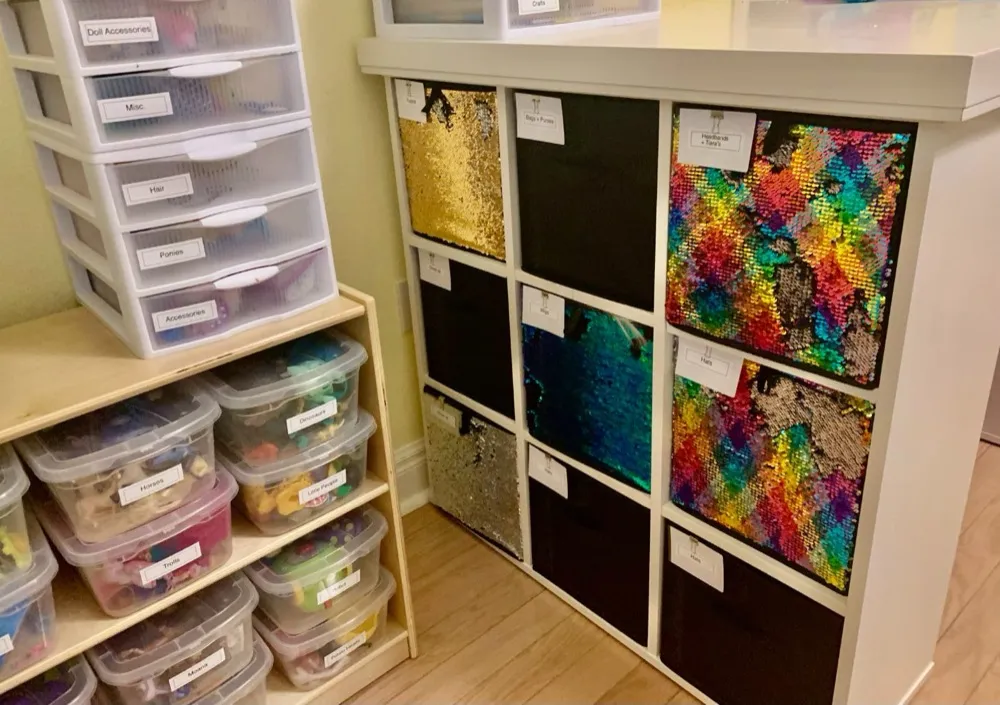 ADHD & autism
Those systems were built for a different kind of mind. Here’s what to build instead.
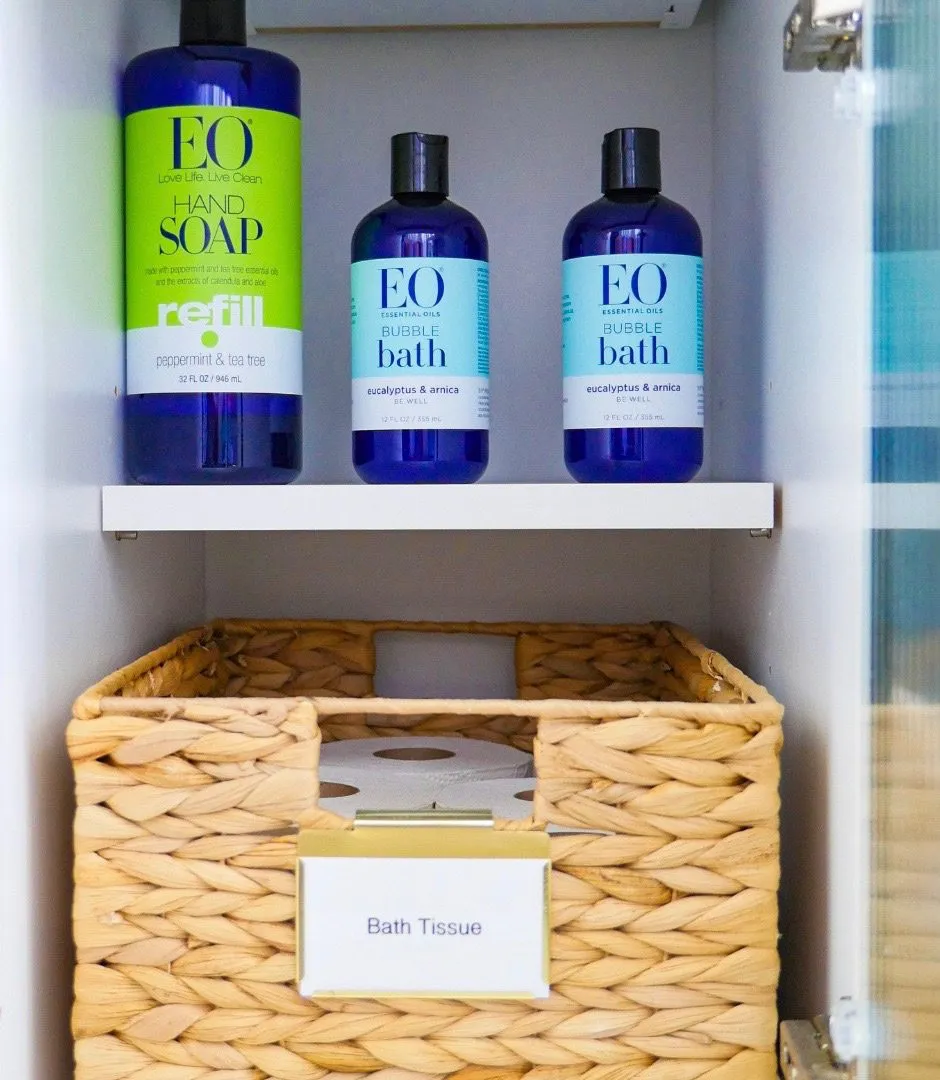 Sensory
Harsh light. Hunting for things. Days with no predictable flow. Fewer of those helps.