
You don’t have to organize alone. You need Kim in the room.
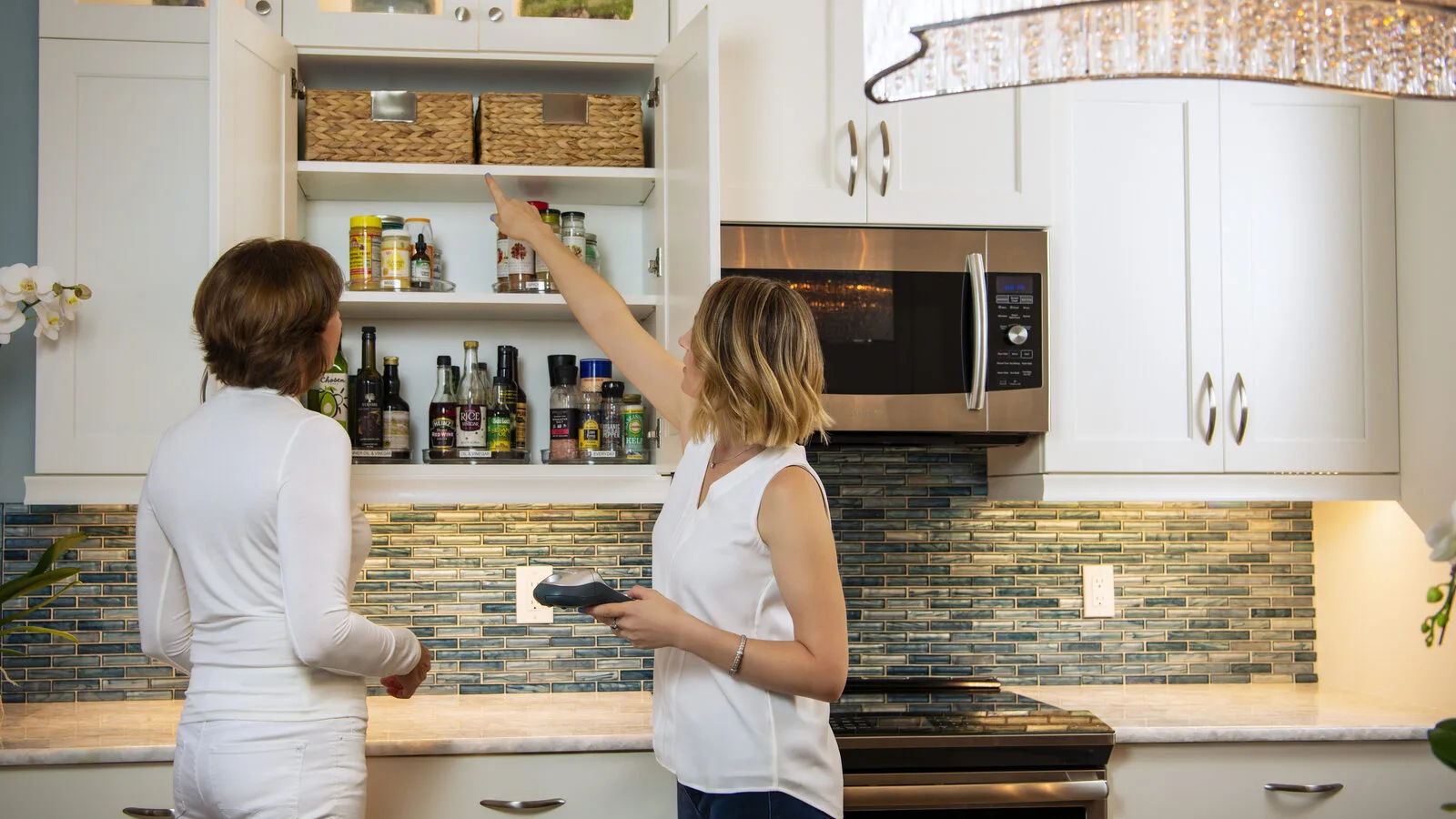
Kim works alongside you, in your own home, one zone at a time. You keep the reasoning behind every decision, so the room stays yours after she’s gone, and your body can relax in it.
For ADHD, autism, and minds that work differently
Free 20-minute call · No pressure
Or call or text Kim: 941-444-1410




Is this what home feels like right now?
This is common, and never a verdict on you.
The first step is the hardest one to find. Every part of the room seems like it should come first.
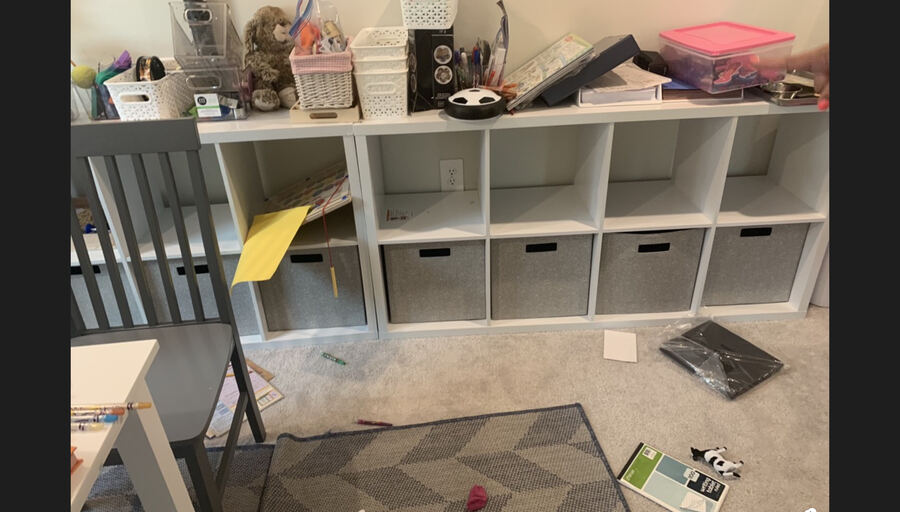
You start strong, then stall halfway. Everything is pulled out, and the room looks worse than when you began.
You've organized this space before. It came undone within a few weeks, and it's hard to trust that this time would be different.
You've started avoiding the room. The door stays shut, or you use the space around it instead. It stopped being usable.
“It was so overwhelming I didn't know where to start, so I just never started. Kim came to my rescue. It looks and feels amazing to have this off my list — and off my floor.”
Three tools, built over 500 homes.
Most organizers focus on how a space looks. Kim focuses on how your mind works, and on whether your home keeps your nervous system on alert or lets your body relax. She developed the Simply Spacial Method™ over 15 years in more than 500 homes.
Before anything moves, Kim uses the map to analyze where each space stands, Level I through Level VI, and what it needs next. Level I means nothing in the room has a home yet — so the only move is sorting, and Kim doesn’t place or label a single thing until the room is past it.
Kim works through the space one zone at a time. Each finished zone is proof of work you can see and feel.
Kim explains why each decision was made, so the system belongs to you. When life rearranges the shelf later, you know how it was built.
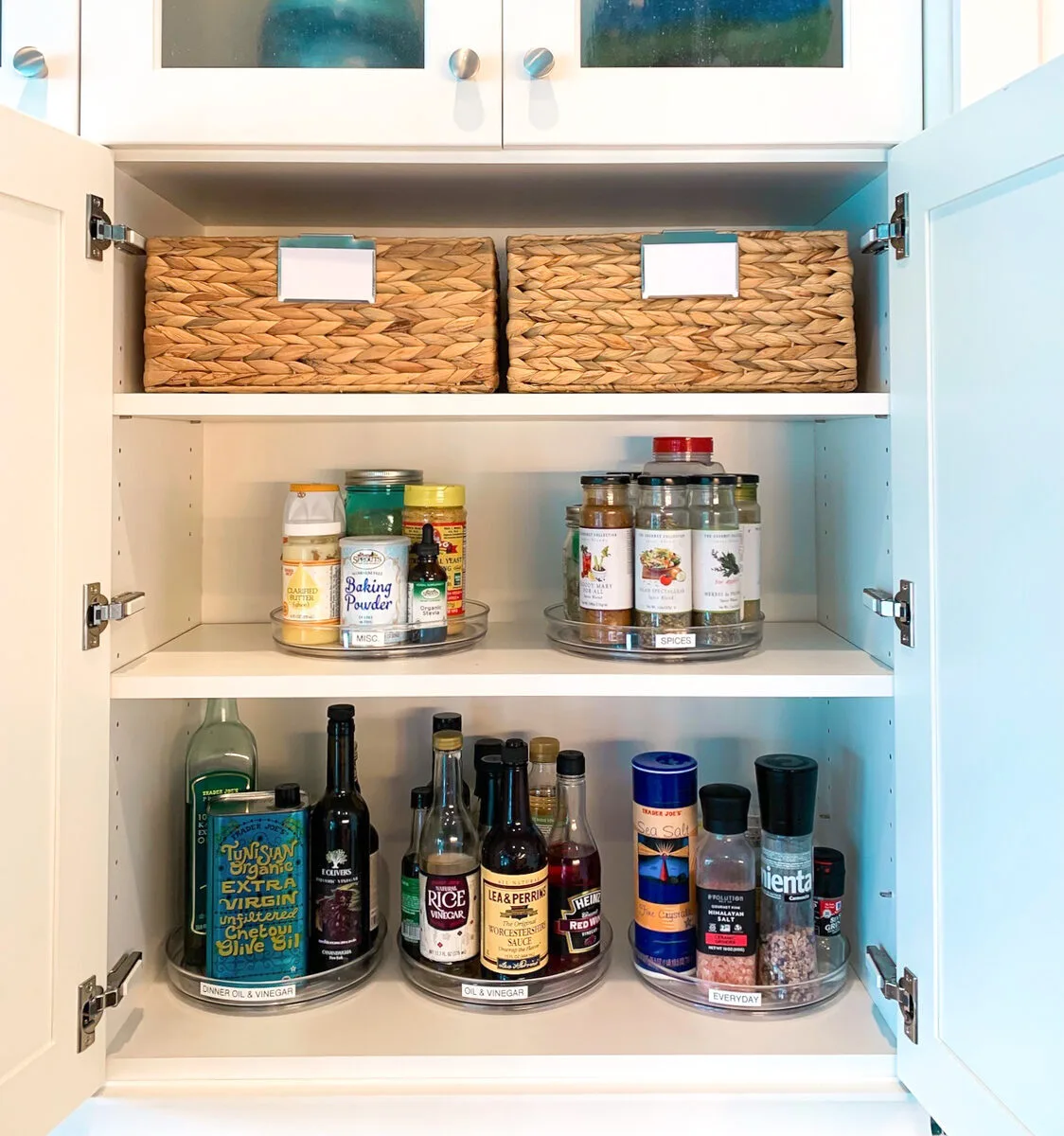
The right containers for your home, chosen by an expert.
A container gives each category a home with boundaries, so it stays put.
When every category has its boundaries, your eyes have less to sort through, and your body can relax.
Kim chooses containers for how a neurodivergent mind actually uses a space. Everything is easy to see, one touch to put away, and easy to put back. Fewer steps means the system keeps working, even on a low-energy day.
She works with what you already own, or sources from her approved product list, at cost with no markup. Then she sets them up in your space, labeled and ready to use.
Real homes. Real change.
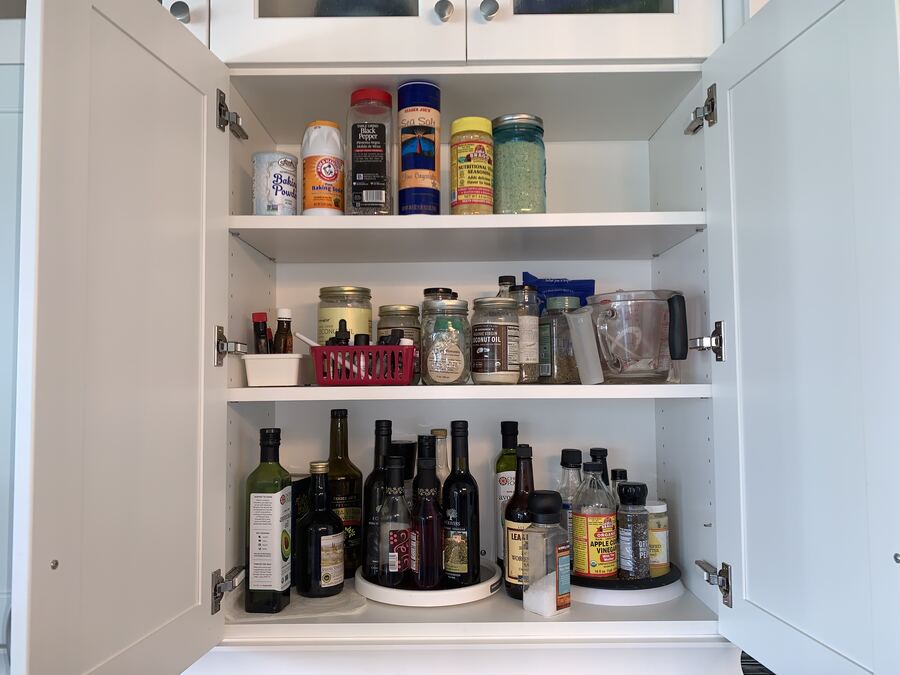
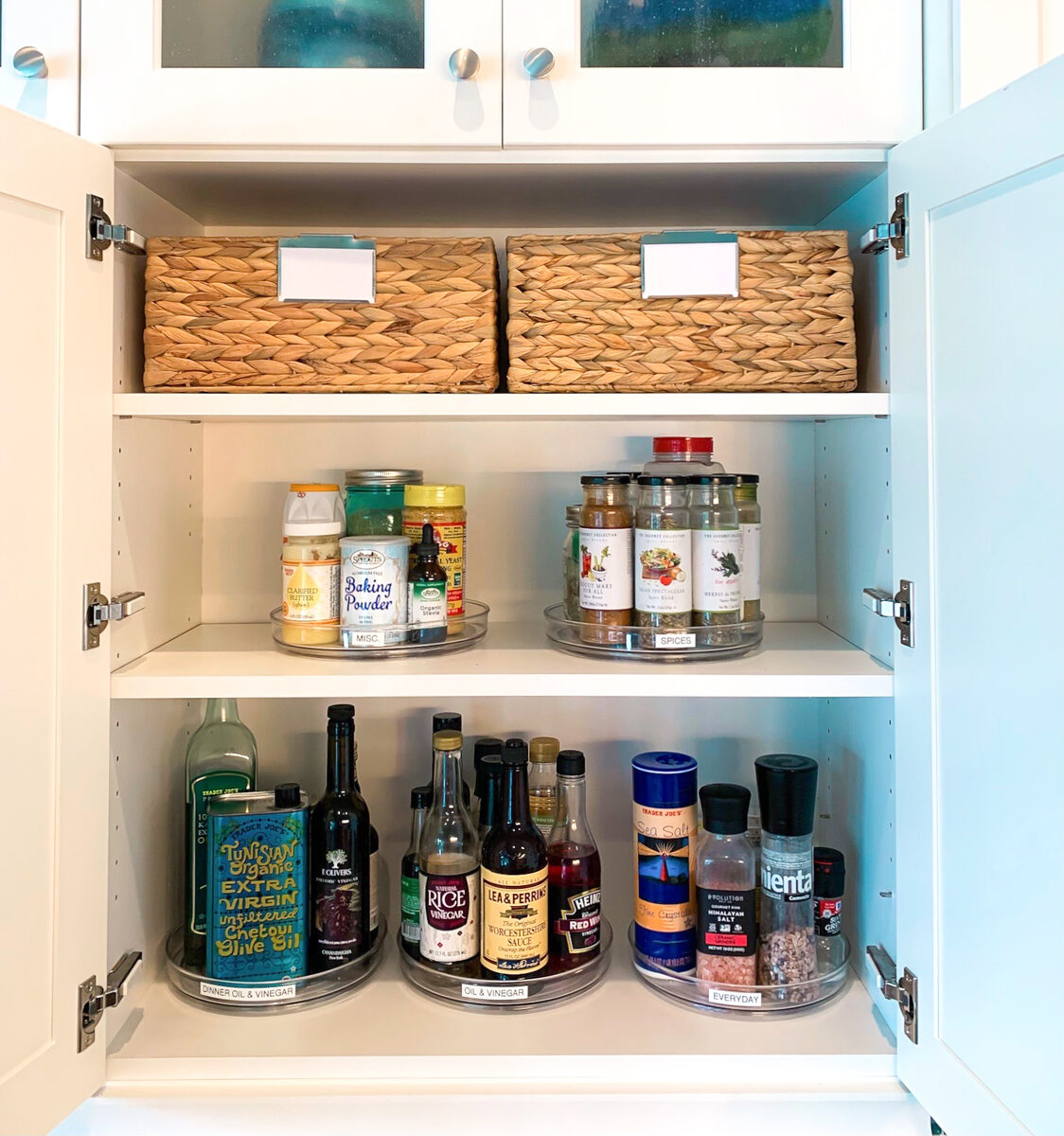
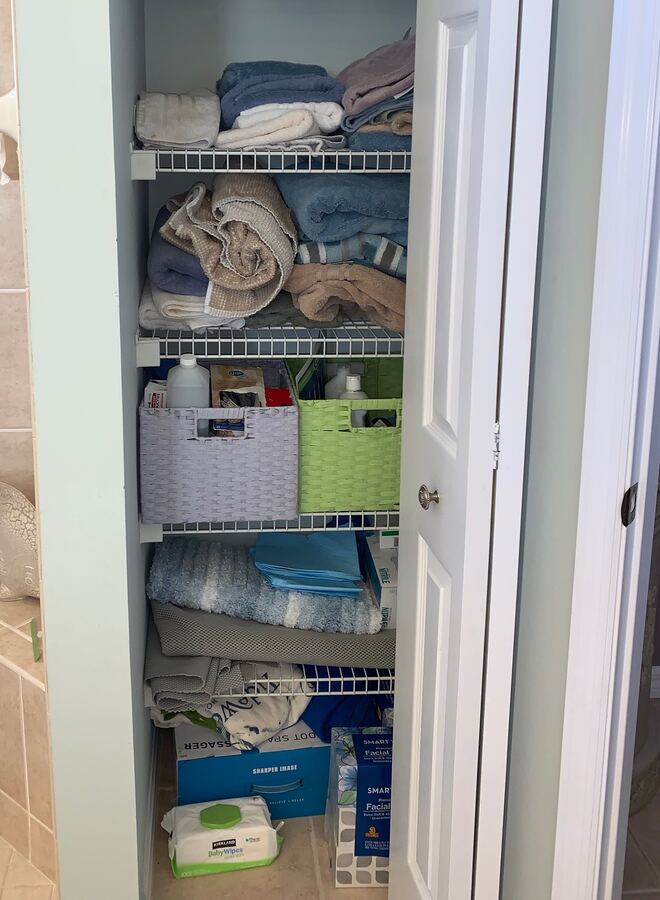
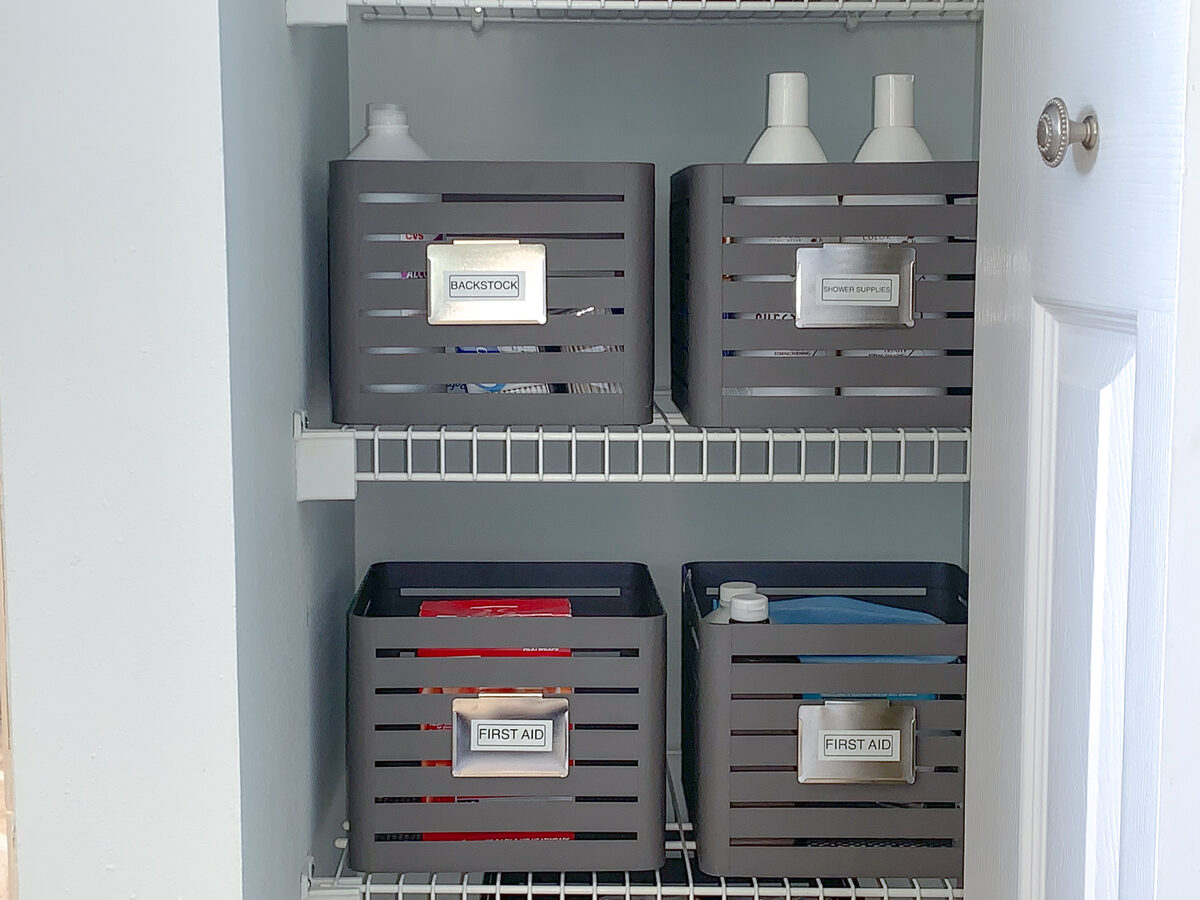
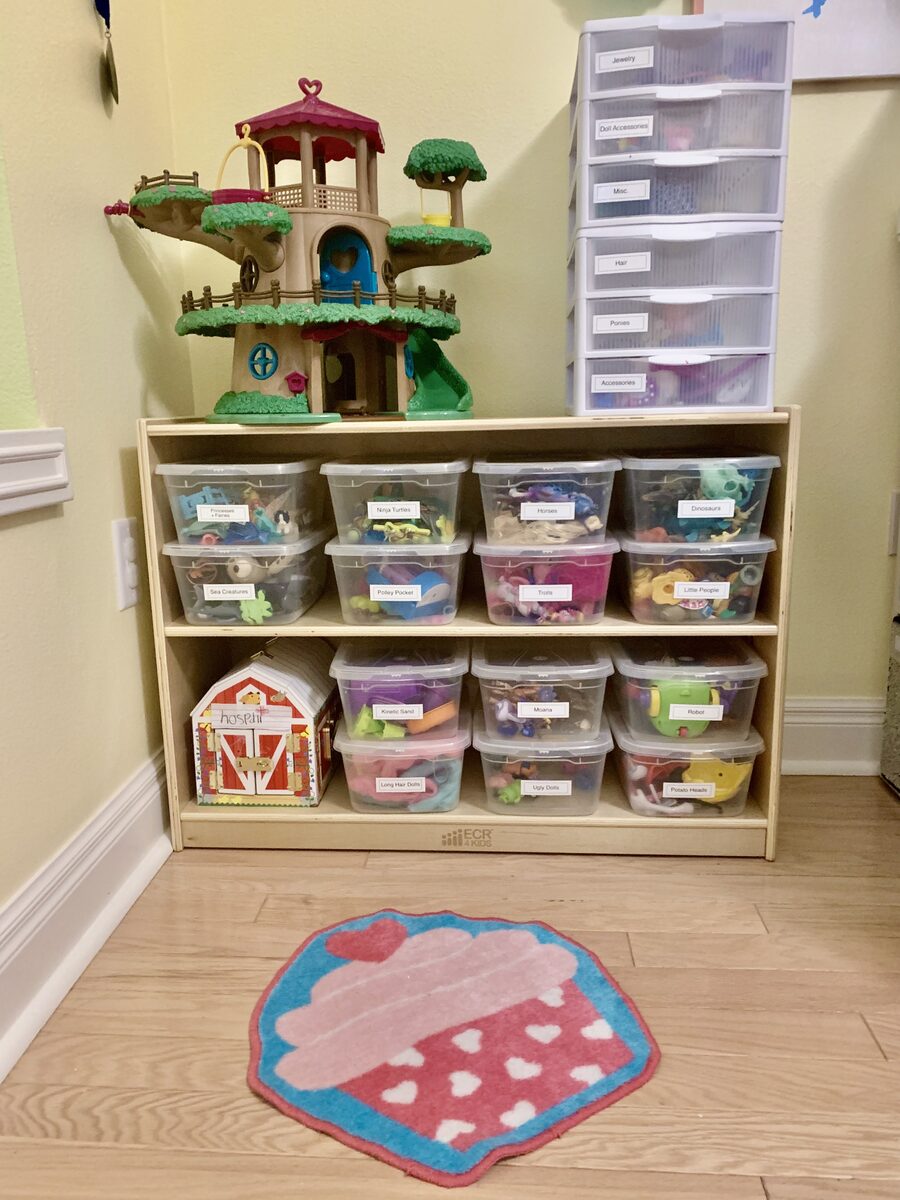
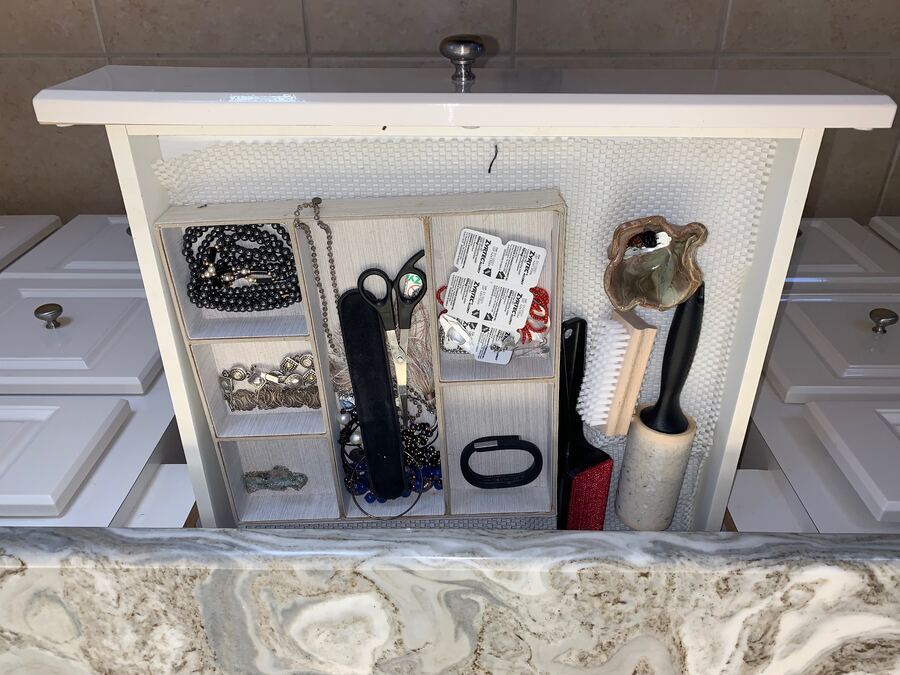
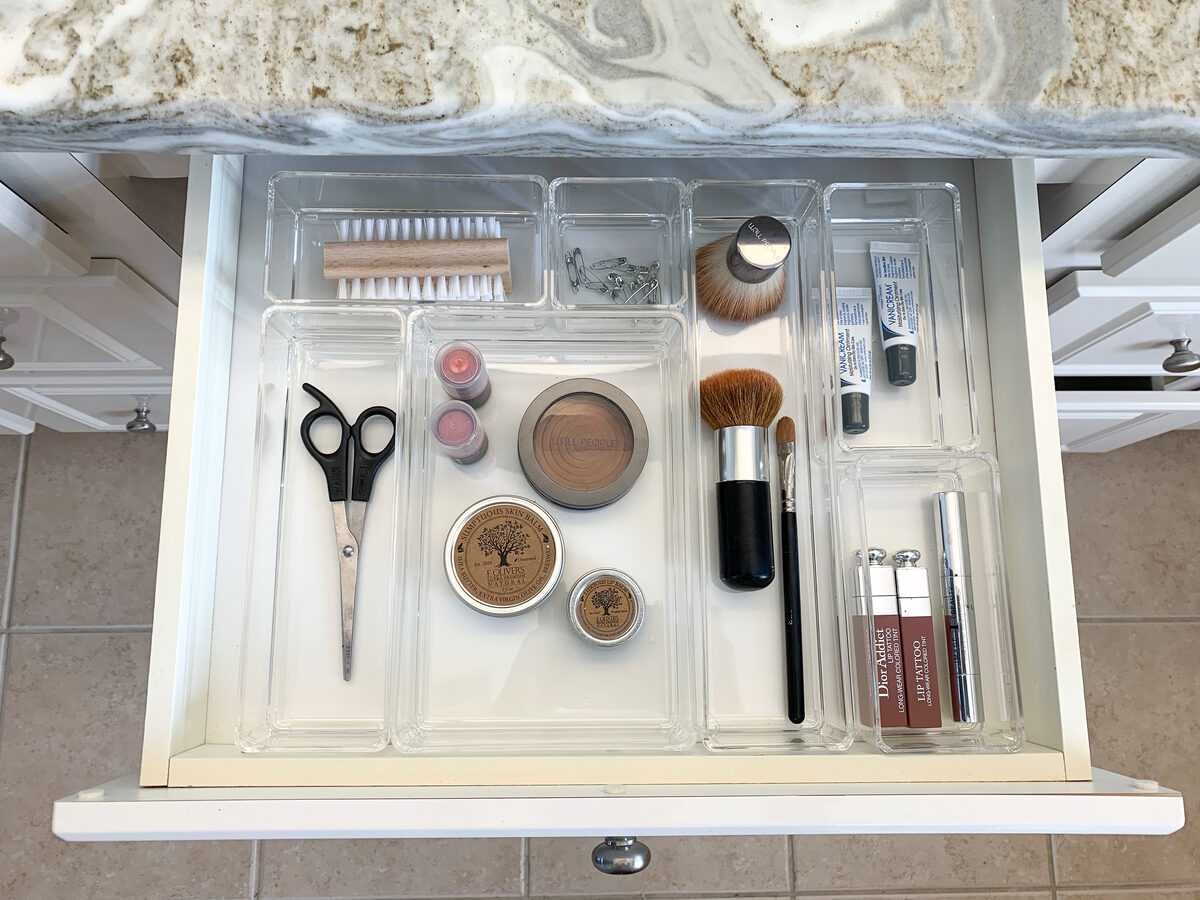
A few of the spaces Kim has organized — real client before and afters.


Hover to pause
What clients said after Kim left
“From ’Jessy Messy’ to an organized me — my family would have told you it was impossible. Kim Reynolds and Simply Spacial completely changed how I approached maintaining my home. Seven years later, I’m still using the systems and tools she helped me pick out.”
1 of 19
15 years, 500+ homes, and a mind like yours.
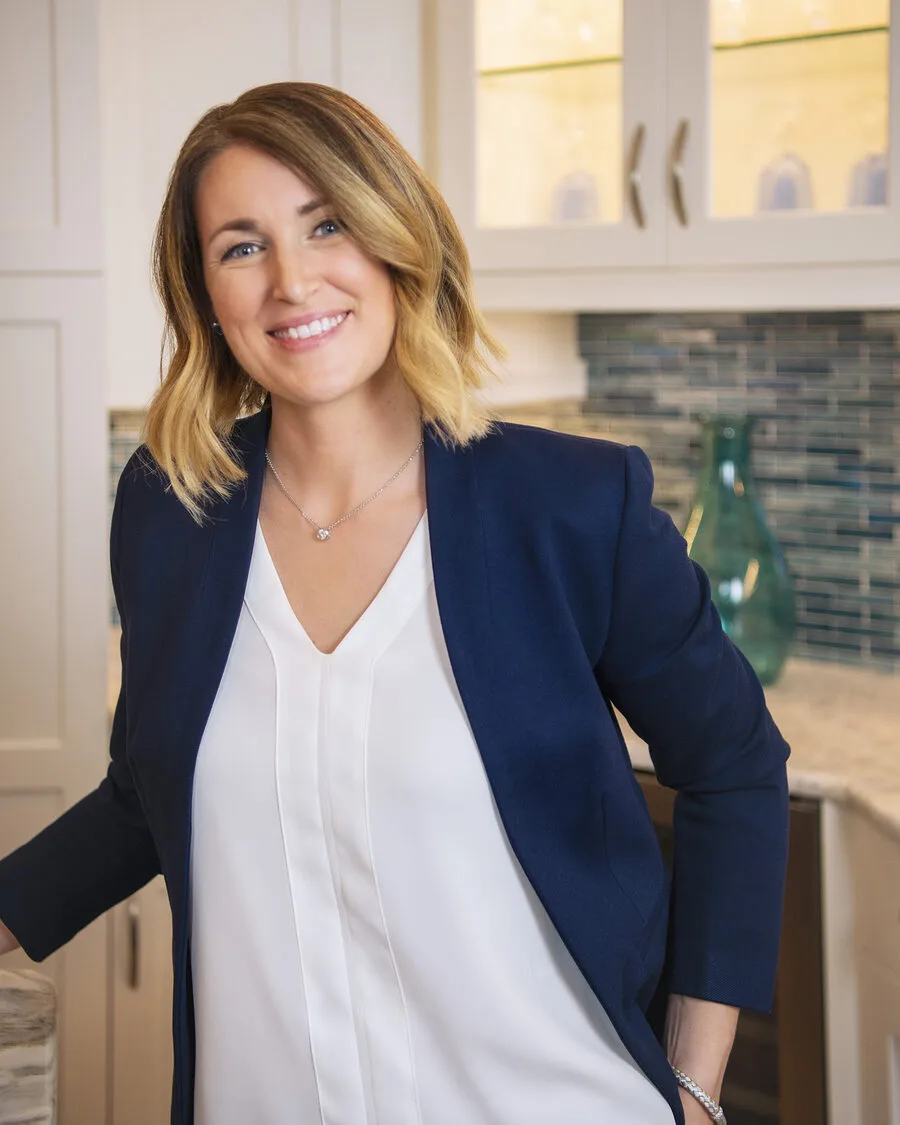
I've spent 15 years organizing more than 500 homes: kitchens, closets, pantries, garages, playrooms, and every kind of space in between. I founded Simply Spacial so neurodivergent people would have organizing built around how their minds work.
I'm neurodivergent too. It shapes how I do this work. I understand minds like yours from the inside, because I have one.
Systems have always been essential for me. They're how I keep my footing, and how I built a home that gives me peace. My own home runs on the same method I bring to yours.
The result is a home that supports you and lets your body relax.
Here's how working with Kim goes, from first call to session day.
20 minutes. Tell Kim what's been hard, in your own words. She listens, and you both see if it's a fit.
Kim walks the space with you and maps where the work begins.
Kim arrives with the plan ready and gets hands-on in the space.
Kim uses the Six-Level Map to start with what the space needs most. Then the room moves one zone at a time, with the Zone Loop.
That means pulling things out, sorting, giving each category a home, setting up the containers, and labeling.
Come as you are, and leave the space exactly as it is. Kim wants to see it as you live in it.
How involved you are is your choice. Some clients work right alongside Kim, which is the fastest way for the system to become yours. Others hand over the space and step in only for the what-stays-and-what-goes decisions. Either way, Kim keeps the work moving.
How far you get depends on the space, your pace, and your decisions.
Who this is for — and who it isn't
This work is hands-on and personal. Here's who it fits — and who it doesn't.
This works best if you…
Want the work led by a professional, alongside you.
Thrive with in-person accountability and direction.
Have a room driving you crazy that needs to be handled.
Want a system that fits how your mind actually works, not one borrowed from someone else.
Are ready to invest time during the session, not just before it.
This is not for you if…
You prefer to work completely independently.
You want the room cleared today rather than a system that holds.
You're outside Sarasota and the surrounding area.
What in-home organizing costs.
20 minutes by phone.
Kim walks the space with you and maps where to begin.
12 hours with Kim in your home at $110 an hour. That typically covers two or three spaces.
What the $1,320 covers:Your free 20-minute call, and the free in-home consultation before you commit to anything
Kim’s analysis of the space — which of the six levels it’s at, and what it needs next
12 hours of Kim in the room, leading the work alongside you
The container decisions made for you — what to buy, and what you already own that will work
Every system left with the reasoning behind it, so you can put it back when life moves things
Containers themselves are bought separately, at cost, with no markup.
(Smaller and larger blocks of hours are available. Kim will help you decide how many hours to start with during your in-home consultation.)
You meet Kim in your own home before you decide anything, and nothing is charged until you do.
Book a Free Discovery CallTell Kim what’s been hard. She’ll help you find where to start.
Fill out the short form, and Kim will reach out as soon as possible to set up your free call.
Nothing is charged until you decide.
Your questions, answered.
▶Do I need a diagnosis?
No. If your mind works differently, diagnosed or not, you're in the right place.
▶What happens on session day?
Kim arrives with the plan from your consultation and works through the space one zone at a time: pulling things out, sorting, giving each category a home, setting up the containers, and labeling. How involved you are is up to you — some clients work right alongside her, others hand over the space and step in for the decisions.
She explains the why as you go, so the system makes sense to you and stays yours.
▶How do I prepare?
Leave the space exactly as it is. Kim would rather see it untouched. The space as you really live in it shows her what's working and what needs to change.
▶Do I need to be home during sessions?
Not the whole time. Working alongside Kim is where the system becomes yours, so she recommends it. If you need to step out, Kim keeps working and saves the what-stays-and-what-goes decisions for you.
▶What if I have a lot of stuff, or the space feels really overwhelming?
Every home starts somewhere, and Kim has worked in more than 500 of them. The Six-Level Map shows where your space stands and what it needs first. The Zone Loop keeps the work to one manageable piece at a time.
▶Will Kim make me get rid of things?
No. What stays and what goes is always your call. Kim asks the questions that make each decision easier to reach.
▶Do I have to buy containers before Kim arrives?
No. Kim chooses containers once she's seen the space. You can use what you already own, bring in new ones, or both.
▶What if 12 hours isn't enough?
Twelve hours typically covers two or three spaces. If you want to keep going, you can add another retainer or buy additional hours at the same $110 rate.
▶Can I book fewer hours?
The 12-hour retainer is how Kim usually works, because it's enough time to finish what you start. Smaller and larger blocks of hours are available. Kim will help you decide how many hours to start with during your in-home consultation.
▶What if I get overwhelmed partway through?
That's expected, and Kim plans for it. She shrinks the zone, slows the pace, and keeps the next step small. You can pause whenever you need to. Catching your breath is part of the work.
▶Is this a cleaning service?
No. Kim is an organizer. Cleaning tidies the surface. Organizing gives every category a home, so the space works with how your mind works.
▶Where does Kim work?
Sarasota, Siesta Key, Lakewood Ranch, and Venice, Florida. A little further out? Ask anyway. Outside the area entirely? See Virtual Home Organizing →